

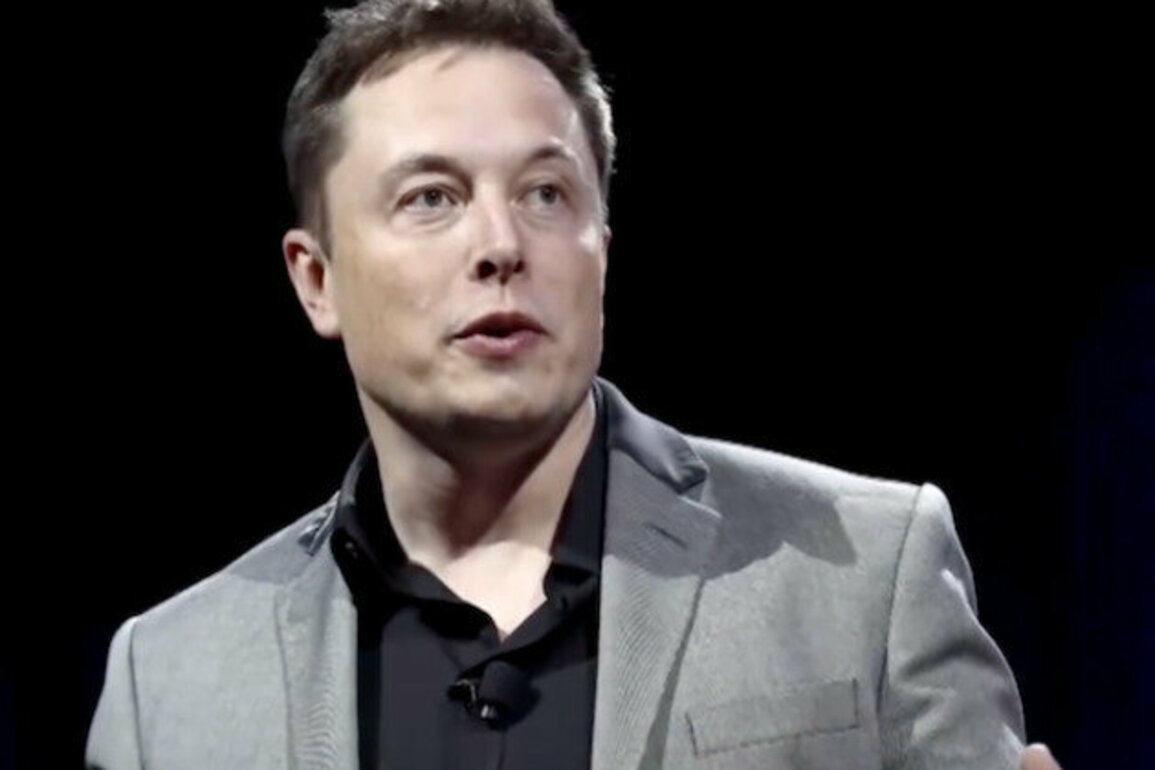
When it comes to leadership, the myth of the great man lives on because it flatters and serves the interests of the elite, writesCarl Rhodes.
ON 4 AUGUST, a special committee convened by Teslas board wrote toshareholdersannouncing that the company had given tech mogulElon Musk96 millionTeslashares worthUS$29 billion(AU$44 billion) as remuneration. It was a ground-breaking payday, eclipsing the record Musk already held more thantenfold.
Musk is in a league of his own as the highest-paid CEO in history, but his windfall is more than just a headline-grabbing figure.
It is a stark symbol of the corporate-driven economic inequality shaping our world, and a window into the myths and falsehoods that perpetuate it, not only in the United States, but here in Australia too.
Elon the great!
In theirletterto shareholders, Teslas board laid out in detail why they felt justified paying Musk such an unprecedentedly massive sum.
Tesla board chairRobyn Denholmand independent directorKathleen Wilson-Thompson, the two members of the special committee that approved the deal, wrote:
They argued that Teslas future relied on Elons unique vision and leadership, positioning him alone as:
Teslas depiction of Musk echoes the "great man theory" a now discredited approach to history pioneered in the 19th century by Scottish historianThomas Carlyle.
According to this theory, everyday people and their communities have little influence in shaping history. Instead, it is the initiative and action of a few individuals always men who are the decisive force.
Australias real economic challenge isnt welfare dependency its inequalityEconomic inequality in Australia is the worst it's been in 20 years if the goal is to improve living standards, our leaders should be addressing it.
These mythical men are portrayed as superhuman in their natural talents, rising above their contemporaries to chart the worlds course. In return they deserve power and reverence, with lesser mortals expected to follow.
Teslas twist on the great man myth is that Musks presumed greatness justifies his status as the richestpersonin the world. The lesson: inequality is fair.
Australias animal spirits
Using the narrative of the "great man" to justify excessive CEO pay is not limited to the goings on at Tesla. If anything, what happened there is an extreme example of what goes on around the world, including here in Australia.
The privileging of singular entrepreneurialism as the source of economic value is a neoliberal trope well known to us. We saw it when former Prime MinisterScott Morrisonused to pay homage to the virtues of the "animal spirits" of "can-do capitalism" to solve the worlds problems.
We see it today when theBusiness Council of Australiaargues that regulatingbusinessto tame its excesses would be an economic catastrophe. Unless business is unleashed, their argument goes, disaster would ensue: jobs would disappear, investment would tank, superannuation would be decimated, and basic services would dissolve.
A particularly striking example of the great man theory in action is the Australian Financial Reviews (AFR) annual celebration of CEO wealth in its publishedRich bosseslist. The top ten on this years list own more than $60 billion in the companies they work for.
These bosses are certainly men of the AFRs fifty richest bosses, there are six Andrews but only three women. The AFR seems to think they are great, offering an annual homage to 'a new wave of wealthy leaders.'
Its ok for some
While the great man theory is alive and well in Australia, our stronger governance, tighter regulation, and more egalitarian culture have so far tempered the excesses seen in the United States.
CEO remuneration is a litmus test for belief in great-man business leaders. In America, the average CEO gets paid268 timesas much as the average worker. In Australia it is55.
There is still reason to be alarmed. We may not share American excess, but the trajectory we have been on for some time points in the same direction; one that increasingly rewards the supposedly great male entrepreneurs and businessmen (they are usually men) at the expense of the people who actually do the work.
The ratio of CEO to average workerpayin Australia has been steadily increasing for four decades as bosses take an ever-increasing share of the wealth created by their employees. In the 1990s, Aussie bosses only got paid 17 times as much as workers compared to today's 55.
In20232024, CEOs ofAustralian Securities Exchangecompanies enjoyed a 14 per cent increase in their base pay. In that same period, general staff only received a 5% increase. The message is that corporate Australia believes that bosses are more important than workers.
Meanwhile, Australians continue to struggle through a persistent cost-of-living crisis, with economic inequality reaching all-timehighsand lagging well behind other developednations. Real wages werestagnant duringthe 2010s, and then fell by almost 5 per cent in the four years following the pandemic. House prices have become so out of reach that Australias rate of home ownership is at itslowestsince 1954.
Senior leadership matters, but the idea that executives deserve ever-growing rewards while workers wages erode is indefensible, both economically and politically.
Australian CEO pay scandal averted by PR spin and media churnalismWhile CEO salaries in Australia soar to$39.5m, the media normalises our country's economic inequality by calling it progress.
Our national prosperity should benefit everyone. Yet we are moving in the opposite direction, deeper into inequality, further from fairness and closer to the model represented by Musk and his great-man mystique.
Put the zombie to rest
Although popular, the idea that history is shaped by great men was criticised in its own time and has continued to be discredited since. It is a textbook example of azombie theory; one that walks amongst us even though its credence died long ago.
Despite being unsupported by any evidence, when it comes to leadership, thezombieof the great man theory lives on because it flatters and serves the interests of elites. It can alsoappealto followers who yearn for saviours to redeem them from their anxieties about the future.
This isnt just an economic failure; it is a cultural one sustained in no small part by the damaging myth that the growing concentration of wealth among powerful men is both justified and desirable.
It is time to stop romanticising the myth of the great man and finally lay these economic zombies to rest so that Australias wealth can be shared fairly, rather than hoarded by those at the top.
Carl Rhodesis Professor of Business and Society at the University of Technology, Sydney. He has written fivebookson the relationship between liberal democracy and contemporary capitalism. You can follow him on X/Twitter@ProfCarlRhodes.