

Britain and the European Union have struck a series of wide-ranging agreements aimed at resetting their post-Brexit relationship and boosting cooperation on trade, defence and mobility.
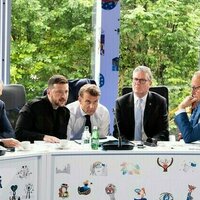
Five years on from Brexit, the United Kingdom and the EU have marked a new chapter in their often-fraught relationship, following Monday's landmark summit in London that unveiled a significant shift from estrangement to engagement.
Prime Minister Keir Starmer and the president of the European Commission Ursula von der Leyen hailed aseries of new agreementsas a win-win for both sides slashing trade red tape, boosting defence cooperation, and paving the way for smoother people-to-people ties.
Describing the moment as historic, von der Leyen praised the tone of renewed cooperation, while Starmer declared, Britain is back on the world stage.
The upbeat mood reflected not only a thawing of relations but a pragmatic reset aimed at tacklingshared challengesfrom global security to economic recovery.
Trade and an end to sausage war'
At the heart of the summit was a breakthrough on trade. Under the new deal, many of the cumbersome checks on animal and plant products that have disrupted UK-EU trade since Brexit will be scrapped.
British businesses, long frustrated by paperwork and delays at borders, will now find it easier to export key goodsincluding sausages, seafood, and even raw burgers to EU markets.
The move also offers relief to traders in Northern Ireland, wherepost-Brexit arrangementshad led to significant logistical headaches.
Though critics argue that aligning with EU rules edges the UK closer to Brussels' orbit once again, proponents insist the benefits are clear.
Good for jobs, good for bills and good for our borders, Starmer said, summing up the governments stance.
EU and UK reunite in London for talks on diplomacy and defence
Youth mobility
In a nod to the younger generation, both sides announced plans to develop a youth mobility scheme, potentially restoring some of the freedom of movement lost after Brexit.
Although the details remain sketchy, officials suggested it could mirror similar UK arrangements with Australia and Canada, allowing limited,temporary staysfor work and study.
Also on the cards is a measure that will allow British passport holders to usefast-track e-gatesat European airports a small but symbolic change likely to be welcomed by holidaymakers fed up with long queues since the UKs departure from the EU.
Five years on, has Brexit put Britain at a disadvantage in EU talks?
Security partnership
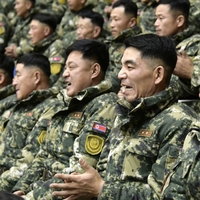
Defence featured prominently in the summits agenda, with UK Foreign Secretary David Lammy confirming that British troops could participate inEU-led missionsin the Western Balkans.
The new pact allows UK forces to join military exercises and even attend select EU defence meetings moves that underscore Britain's desire to remain a key European security player.
Significantly, British defence firms will gain access to a proposed150 billion EU fund currentlyunder negotiation, unlocking investment potential and strengthening the UKs role in collective European defence.
Lammy pointed to continued instability in the Balkans as an example of where British troops can play a complementary rolealongside NATO.
EU and UK clash in first post-Brexit legal battle over North Sea fishing ban
Fishy business, choppy waters
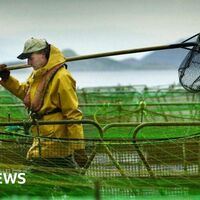
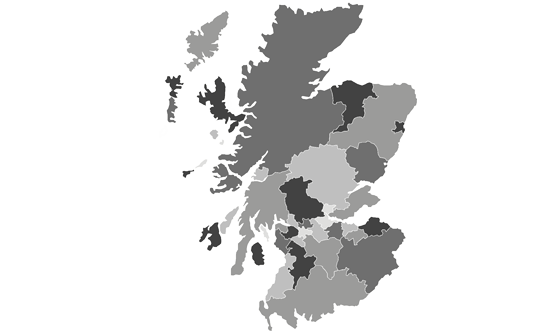
Mondays deals included a 12-year extension toEU fishing rightsin UK waters a controversial move at home, particularly in Scotland but one viewed as necessary to facilitate broader gains in trade and diplomacy.
While the fishing industry voiced anger, the deal helped resolve one of the last symbolic holdouts from the Brexit era.
Unsurprisingly, the political fallout was swift. Conservative leader Kemi Badenoch accused Starmer of turning Britain into a rule-taker once more, while the pro-BrexitReform UKparty dismissed the agreements as a betrayal.
But Starmer held firm, insisting that the UK wouldnot rejoin the single marketor customs union and would not accept unrestricted freedom of movement.
Lammy, for his part, took a pragmatic tone: The British people have moved on, he said. This is a deal that delivers prosperity and security.
For all the noise, the summit marks a tangible shift from isolation to engagement as Starmer put it: Were not going back. Were going forward".
(with newswires)
Originally published on RFI