

The EU and US have struck a last-minute trade agreement that averts a major tariff hike but leaves European leaders divided over the cost of compromise.
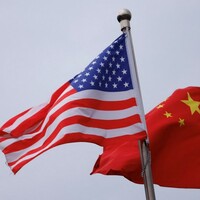
The United States and European Union struck a high-stakes trade deal on Sunday that will see EU exports hit with a 15 percent tariff narrowly averting a damaging transatlantic trade war. While the agreement brings short-term stability, it has also sparked criticism from some key European players.
France's Minister for Europe Benjamin Haddad was quick to respond, calling the deal "temporary stability ... but it is unbalanced"in a poston X.
His comments reflect broader concerns in Europe that, while the agreement avoids the worst-case scenario, it comes at a steep cost.
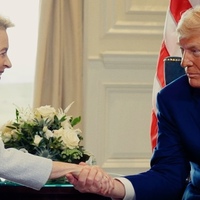
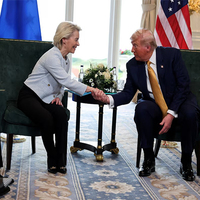
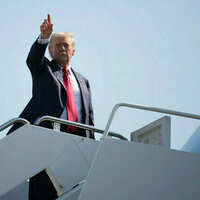
The deal was sealed during a tense meeting between US President Donald Trump and European Commission President Ursula von der Leyen atTrumps golf resortin Scotland just days before a looming 30 percent blanket tariff was due to kick-in on 1 August.
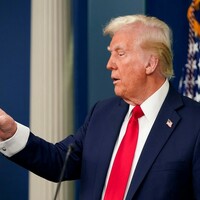
"We've reached a deal. It's a good deal for everybody. This is probably the biggest deal ever reached in any capacity," Trump declared triumphantly.
Trump says EU, Mexico to face 30 percent tariff from 1 August
Preserving transatlantic trade
Under the terms, a flat 15 percent tariff will apply to EU goods, including automobiles, pharmaceuticals, and semiconductors. In return, the EU has committed to purchasing690 billion worth of US energyincluding liquefied natural gas, oil and nuclear fuel over the next three years.
Trump also announced an additional 550 billion in EU investment and hinted at major defence equipment purchases from European NATO members.
Von der Leyen, representing all 27 EU nations, had been racing topreserve a trading relationshipworth 1.6 trillion annually.
While she welcomed the agreement, she admitted the outcome was far from ideal.
"It will bring stability. It will bring predictability. Thats very important for our businesses on both sides of the Atlantic," she said, before adding, "Fifteen percent is not to be underestimated, but it is the best we could get."
EU races to strike trade deal with Washington as Macron slams tariff 'blackmail'
Exemptions for 'strategic products'
The EU Commission chief also highlighted that both sides had agreed on tariff exemptions for certain "strategic products" such as aircraft, some agricultural goods, chemicals, and critical raw materials.
She expressed hope that further zero-tariff dealsespecially for alcoholcould be secured in the coming days.
Yet the reception in Europe has been mixed. German Chancellor Friedrich Merz hailed the deal for averting needless escalation, while industry groups expressed alarm.
Germany'sBDI federationwarned of "considerable negative repercussions" for exporters, and theVCI chemical lobbysaid rates remained "too high."
Ireland heavily reliant on US exports welcomed the deals clarity but voiced "regret" over the tariff baseline.
Steel remains a sticking point, however. The EU had sought a quota-based compromise, but Trump indicated that UStariffs on steelwould remain unchanged.
Von der Leyen later countered that a quota system and tariff cuts would be implemented, although details remain vague.
Originally published on RFI